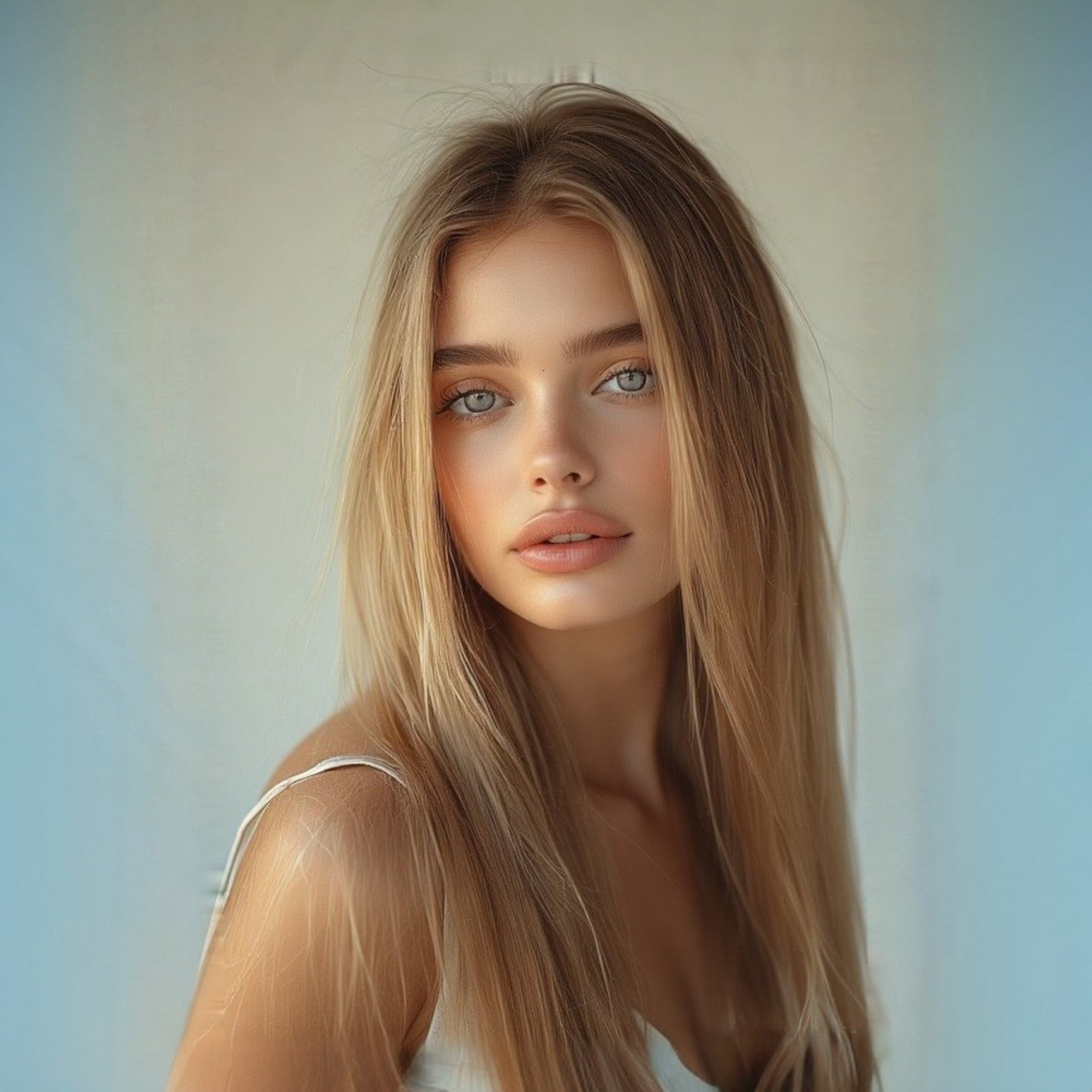
What is the best hair treatment to get?

What Is the Best Hair Treatment to Get?
This is one of the most common questions — and at the same time, one of the most complex.
Because there is no universal “best” hair treatment. Hair care is always personal. What works perfectly for one person may not work at all for another. Hair is not just length and color. It reflects scalp condition, lifestyle, season, stress levels, nutrition, daily habits, and even whether you wear a hat every day.
Why Hair Starts Asking for Help
Most people notice a problem only once it becomes visible. Hair loses volume. It feels thinner. Shedding increases. Dryness appears — or sometimes excess oil. Ends begin to break. Shine fades.
But there is always a reason behind it.
Cold weather reduces circulation to the scalp.
Indoor heating dries the air and disrupts balance.
Constant temperature changes create stress.
Hats, helmets, skiing, motorcycling — all add mechanical pressure.
Sports, swimming, chlorinated water, and sweat also affect hair structure.
Over time, hair loses strength, density, and elasticity. In many cases, the issue begins at the scalp level, and the length suffers as a result.
And most importantly — this does not happen overnight. It is a gradual process.
The Common Mistake
Many people try to choose the “best treatment” on their own. Some follow advertisements. Others rely on online reviews or friends’ recommendations. But without understanding the root cause, it is difficult to choose the right solution.
If the issue is scalp-related, a conditioning mask will not fix it.
If the cause is seasonal stress, the approach should be different.
If hormonal or stress-related factors are involved, the strategy changes again.
Hair care should be prescribed — not guessed.
What “The Best Treatment” Really Means
The best treatment is the one tailored to your specific situation.
Sometimes it is a small adjustment in routine.
Sometimes it requires restoration after mechanical damage.
Sometimes the focus must be on scalp health.
Sometimes density support and hair strengthening are the priority.
All of this is manageable. Hair challenges are not a life sentence. But they do require attention.
Why You Should Not Wait
Small signals are easy to ignore. A little more hair on the brush. Slightly less volume. A bit more dryness.
But if ignored year after year, density can slowly decrease. Hair becomes finer. Part lines widen. Styles do not hold as they once did.
The good news is that early-stage issues can often be corrected without complex or expensive procedures. They simply need to be addressed in time.
Who Should You Talk To?
Start by speaking with your hairstylist. A good professional can see the condition of your hair and scalp more clearly than you can. They can guide you and point out changes you may not notice.
If you feel uncertain or want a deeper evaluation, you can book a consultation. Scalp analysis and professional diagnostics help identify the real cause instead of treating surface symptoms.
At Hair Touch, our approach is calm and professional. Our goal is not to push, but to explain, assess, and guide you toward the right care path.
You may consult your own stylist — or you are welcome to reach out to us. The choice is always yours.
Final Thought
Hair requires attention just like skin or overall health. It does not “fix itself” simply because we hope it will. But with the right approach, hair responds well to care.
Do not ignore early signs. Most problems are manageable — and often easier to solve than you think.
If you have questions, you are always welcome to contact us.
Tatyana Mosina
Hair Touch
May your hair remain strong, full, and vibrant in every season.